
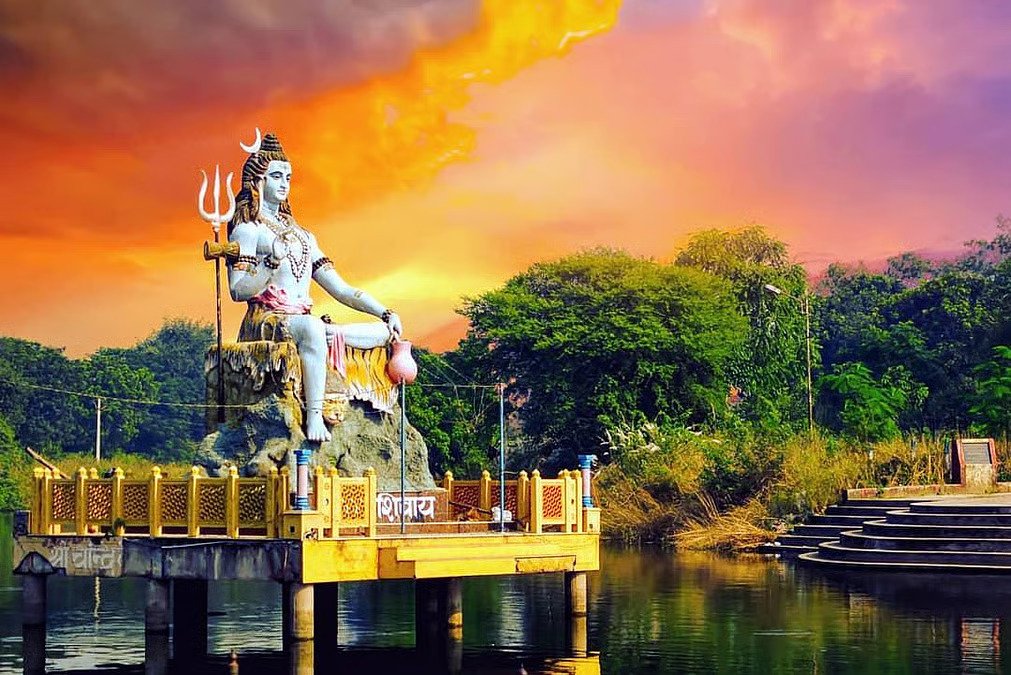
Lucknow is a city of grace — a blend of tehzeeb, heritage, and timeless charm. I came here expecting poetry, kebabs, and royal history. What I didn’t expect was to be pulled into a spiritual current that flows quietly beneath its busy streets and aromatic bazaars. This wasn’t a trip I had planned with maps or schedules—it was one that was led by the heart.
I spent a few peaceful days visiting five of Lucknow's holy temples. Every one of them seemed to tell a story, not only about gods and rituals but also about people, faith, and the power of silence to speak louder than words.
Lord Ayyappa Temple – A Piece of the South in the Heart of the North
I hadn't imagined I'd see a Lord Ayyappa temple in Lucknow, yet there it was, in Gomti Nagar, peaceful and beautiful. I was instantly taken to Kerala by the rhythmic chanting and the aroma of sandalwood. Everything seemed to connect North and South, earth and sky, together, from the architecture to the rituals.
As I stood barefoot on the cool temple floor, I watched devotees move with focused devotion—men in black, heads bowed, eyes closed. There was discipline here, yes, but also warmth—a love that needed no words. I didn’t understand every mantra being chanted, but I felt it. Deeply.
Gulacheen Temple – The Temple That Knows Your Wishes
Gulacheen Temple wasn’t on any tourist map, but locals insisted I visit it. "Go on a Tuesday," they said, "and you’ll see real faith." So I did.
This modest Hanuman temple, hidden away in a quiet lane, has simple, lived-in faith instead of elaborate gates or marble floors. Red threads were tied by women. Children sincerely folded their hands. One elderly man sat cross-legged and continuously chanted the Hanuman Chalisa.
Here, pretense was absent. Simply a belief. The kind that only requests a little peace in return as payment.
Chandrika Devi Temple – Where the Goddess Watches Over You
The journey to Chandrika Devi Temple was long, but as soon as I arrived, I understood why people come here: not for the architecture, but for the vibe.
It’s said that Goddess Durga appeared here as Chandrika Devi and that the Pandavas once prayed at this very spot. The temple is nestled amidst nature, where the silence feels ancient. I sat by a tree nearby, watching women tie chunris, offer coconuts, and pray for their families. There was a nurturing energy in the air — warm, strong, and relaxing.
Mankameshwar Mandir – The Temple of Wishes
Mankameshwar Mandir dedicated to Lord Shiva. It’s said that if you come here with a true desire in your heart, he hears it.
It was a Monday, and the temple buzzed with activity. Flowers, milk offerings, aromatic candles — everything moved in rhythm. But in the middle of all the activity, there was stillness too. I watched a young boy close his eyes, hands folded tight, whispering something only he and Shiva would know.
It's not always about what we ask, I realized at that very moment. Sometimes all that matters is being heard.
Hanuman Setu Mandir – The Protector by the River
I ended my journey at Hanuman Setu Mandir, near the calm flow of the Gomti. The towering idol of Hanuman, glowing in vermilion, looked down with fierce compassion. It is said this temple was built after a flood — a guardian watching over the city.
I crossed the small bridge, the "setu," and felt like I was walking not just over water, but over worry. The air filled with chants. People circled the idol, offering flowers, sweets, their fears, and their hopes.
I stood quietly for a long time. No gadgets, just a full heart and teary eyes.
This journey was not about sightseeing. It was about soul-seeing. About watching how devotion lives in people — in small acts of kindness, in whispered prayers, in temples that are more than stone and paint.
Lucknow didn’t shout its spirituality. It whispered it — in a language older than words.
And as I left, I carried with me not just memories, but a stillness I hadn’t felt in years.
